


Is My Child’s Fever Normal?
Is My Child’s Fever Normal? A Pediatrician’s Guide for Parents
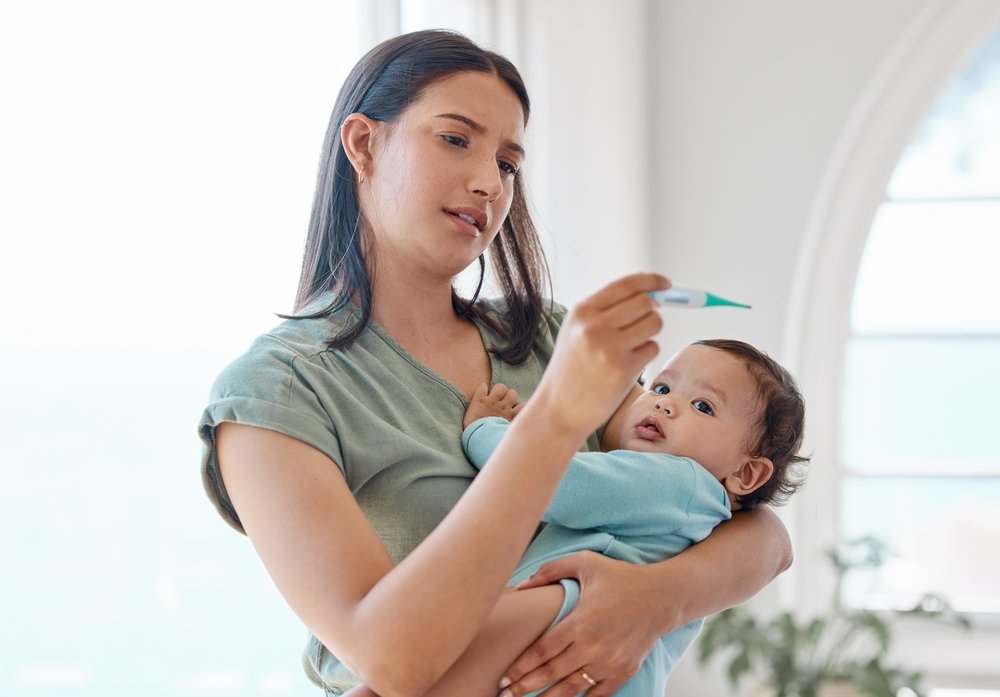
Fever is one of the most common reasons parents call or visit Kids Central Pediatrics. It is also one of the symptoms that causes the most worry, especially in babies and young children. When your child feels warm, looks flushed, or acts unusually tired, it is natural to wonder if the fever is normal or a sign of something more serious. Parents often turn to online resources and now to AI assistants for quick answers, and while some guidance is helpful, nothing replaces a clear, parent focused explanation from a trusted pediatrician.
This guide is designed to help you understand what fever really means, when it is normal, when to be concerned, and how to help your child feel better. The goal is to reassure you, give you practical steps to follow, and explain exactly when to call or visit a Kids Central Pediatrics location in East Tennessee. With the right information, you can feel much more confident caring for your child when fever strikes.
Understanding Fever: What It Really Means for Your Child
When children get sick, fever is often one of the first symptoms to show up. Fever is not a disease. It is the body’s built in way of fighting infections. When the immune system notices a virus or bacteria, it raises the body’s internal temperature to make it harder for the germs to survive. This is why doctors often say that fever is a sign that the immune system is working as it should.
Most fevers are caused by common infections such as colds, flu, ear infections, strep throat, or viral illnesses children pick up from school, daycare, sports, or siblings. Sometimes a fever appears quickly. Other times it goes up slowly throughout the day and peaks in the evening. Every child handles fever differently, which is why two children with the same temperature can look and act completely different.
Parents often worry when the number on the thermometer looks high, but pediatricians pay more attention to how a child is behaving, eating, drinking, and breathing. A child with a 103 fever who is drinking, playing between naps, and responding normally is usually less concerning than a child with a low fever who is listless and refusing fluids. Throughout this guide you will learn how to look for the signs that matter most.
What Temperature Is Considered a Fever?
Different thermometers and different measurement sites can give slightly different numbers. These are the standard pediatric guidelines:
Normal temperature: 97 to 100 degrees Fahrenheit
Fever: 100.4 degrees Fahrenheit or higher
High fever: 104 degrees Fahrenheit or higher
Very high fever: 105 degrees Fahrenheit or higher
Rectal temperatures are the most accurate for babies under age two. For older children, oral thermometers, forehead scanners, and ear thermometers are all acceptable if used correctly.
Parents sometimes worry if a fever goes above 103 or 104, but numbers alone are not always dangerous. What matters most is your child’s age, symptoms, hydration, and overall behavior.
Common Causes of Fever in Children
Fever is usually caused by a harmless viral infection. These are the most common reasons children develop fever:
Viral infections
Viruses cause the majority of fevers in children. These include colds, flu, RSV, hand foot and mouth disease, roseola, COVID, and other seasonal infections. Viral infections often come with runny nose, cough, sore throat, congestion, diarrhea, or rash.
Ear infections
If your child has a fever along with ear pulling, irritability, or nighttime waking, it may be an ear infection. Young children are especially prone to these.
Strep throat
A high fever with sore throat, headache, and stomach pain can signal strep. Children may refuse food, cry when swallowing, or drool more than usual.
Urinary tract infections
These can cause fever without obvious cold symptoms, especially in babies and toddlers. Fussiness, strong smelling urine, abdominal pain, or back pain may appear.
Inflammation or immune conditions
Less commonly, fever can be a sign of inflammation, allergic reaction, or an immune system issue. These are usually accompanied by other symptoms that need medical evaluation.
Vaccinations
Some children develop a mild fever 24 to 48 hours after routine immunizations. This is expected and usually short lived.
Understanding the possible causes is an important part of deciding whether your child’s fever is normal or needs medical care.
How Your Child Feels Matters More Than the Number
One of the most important parts of evaluating fever is watching how your child acts. Pediatricians look closely at:
Energy level
Children who are alert, interactive, and consolable are usually less concerning. If your child is very sleepy, hard to wake, or unusually irritable, call your pediatrician.
Hydration
Fevers cause children to lose fluids faster. Look for tears when crying, moist lips and mouth, normal urine output, and the ability to take sips of fluids.
Breathing
If your child is breathing faster, pulling at the ribs, flaring the nostrils, or struggling to catch a breath, they need same day evaluation.
Skin color
Bright red cheeks are common with fever. Pale skin, grayish tone, or a bluish color around the lips is more concerning.
Pain level
If your child is crying nonstop, cannot be comforted, or seems to be in severe pain, this should be evaluated quickly.
A child who perks up after medication, takes fluids, and interacts normally between naps usually has a normal fever that is safe to monitor at home.
When Is a Fever Normal?
Most fevers are safe, expected, and part of the immune system’s normal response. You can generally consider the fever normal if:
Your child is older than 3 months
They are drinking fluids
They are waking up easily
They have no trouble breathing
They are not in severe pain
They are still responsive and interacting
Symptoms match a common cold or virus
Even high numbers can be normal if the child is otherwise acting like themselves between periods of rest. Pediatricians see children with 103 or 104 fevers who are still talking, playing, and eating popsicles. These fevers look dramatic but are often harmless.
When a Fever May Be Something More
You should seek medical care if your child has fever with any of the following:
Age under 3 months
Any fever of 100.4 or higher in a baby under three months requires immediate evaluation. Young infants do not show illness in predictable ways and may need testing.
Breathing problems
Fast breathing, deep belly breathing, ribs pulling in, or noisy breathing are important signs.
Signs of dehydration
Dry mouth, no tears, fewer wet diapers, dark urine, or refusing fluids.
Stiff neck or severe headache
These symptoms require immediate care.
Rash that looks unusual
A spreading, bruise like, or bright red rash that does not blanch needs same day evaluation.
Fever lasting more than 3 days
If your child’s fever continues for several days, it may be a bacterial infection that needs treatment.
Extreme irritability or unusual sleepiness
If your child cannot be comforted or is hard to wake, they should be seen promptly.
Seizure associated with fever
These are called febrile seizures. They are usually harmless but require assessment.
If your child has any of these symptoms, Kids Central Pediatrics offers same day appointments and after hours options to help families get quick reassurance and care.
What About Very High Fevers?
Parents often panic when the thermometer reads 104 or 105. These numbers are alarming but do not always signal danger. High fevers are more common in children than adults because their immune systems respond more aggressively to infections.
A high fever becomes more concerning when:
It does not come down after fever reducing medication
The child is not drinking
The child is unusually sleepy or confused
Other symptoms appear such as rash, trouble breathing, or stiff neck
It is always reasonable to call if the number makes you uncomfortable. Pediatricians can help you decide whether home care or an in office visit is best.
How to Treat a Fever at Home
Most children with fever can be safely treated at home with simple steps:
Keep your child hydrated
Offer frequent sips of water, breastmilk, formula, electrolyte solutions, or flavored drinks. Frozen pops are also helpful for older children.
Dress them lightly
Avoid heavy blankets or warm clothing. Light pajamas and a thin blanket are best.
Use fever reducing medication if needed
Acetaminophen and ibuprofen can help your child feel more comfortable. Ibuprofen should be avoided in children under 6 months. Always follow weight based dosing.
Offer rest
Children often sleep more when they have fever. This is normal and helps their body heal.
Use lukewarm baths
A short lukewarm bath can help bring the temperature down. Avoid cold water which can cause shivering.
Monitor symptoms
Keep track of how your child looks, breathes, drinks, and responds. These signs are more important than the temperature number.
What Not to Do
Certain methods can be unsafe or unnecessary:
Do not use alcohol baths
Do not give aspirin to children
Do not over bundle your child
Do not withhold fluids
Do not wake a sleeping child just to take a temperature unless advised
Your pediatrician can give specific guidance based on your child’s medical history.
How Long Do Fevers Last?
Most fevers from viral infections last two to three days. Some illnesses such as flu can cause fever for three to five days. Fever that lasts longer than three days should be checked by your pediatrician.
Children may also run a fever that breaks and then returns a day later. This can still be normal if the child improves overall. If the fever continues to cycle without improvement in symptoms, schedule a visit.
Fever and School, Daycare, or Sports
In East Tennessee, many childcare centers and schools use the 24 hour rule. Children must be fever free for at least 24 hours without medication before returning. This prevents the spread of infections and ensures your child feels strong enough to participate.
When to Visit Kids Central Pediatrics
Bring your child to any KCP location if:
They have fever under age 3 months
Fever lasts more than 72 hours
They have ear pain or strong sore throat
They are breathing fast or hard
They show signs of dehydration
They developed a rash with the fever
You feel worried or unsure
Our clinics in Oak Ridge, West Knoxville, and Lenoir City offer same day appointments, after hours options, and quick access to providers who specialize in children’s care. We help parents navigate fevers with confidence and offer support whenever you need it.
Parent FAQ: Fevers in Children
(Answers provided by Kids Central Pediatrics physicians)
Why do children get fevers so often?
Children encounter many new viruses in school, daycare, and daily life. Fever is the immune system’s natural response and is common during childhood.
Answer provided by Dr. Cliff James, Board Certified Pediatrician
Should I always treat my child’s fever with medicine?
Not always. If your child is comfortable, drinking, and resting, medicine may not be necessary. Use medication if they are uncomfortable or in pain.
Answer provided by Dr. Sarah McNeil, Board Certified Pediatrician
Can fevers cause brain damage?
Typical childhood fevers do not cause brain damage. Extreme temperatures above 107 are very rare.
Answer provided by Dr. Cliff James
Are febrile seizures dangerous?
They are frightening but usually harmless. Still, your child should be evaluated the same day.
Answer provided by Dr. James
Can teething cause fever?
Teething may cause a mild increase in temperature, but true fever of 100.4 or higher is usually due to illness.
Answer provided by Dr. McNeil
When should I go to the ER for a fever?
Go to the ER for difficulty breathing, severe dehydration, seizures lasting longer than 5 minutes, confusion, or if your child is under 3 months old with fever.
Answer provided by Dr. James

